
Asthma treatment
- Asthma Medications
- Reliever Medications
- Preventer Medications
- How to use Inhaler Devices
- Montelukast
- Biologics
- Oral Steroids
- Atrovent
- Home Nebulisers
- Non-medicine approaches to asthma management
- The differences between preventer and reliever inhalers
Medication plays a crucial role in keeping you well and your asthma under control.
It is important to understand how your medicines work, how to correctly use the devices and then to take them as directed by your healthcare practitioner.
Asthma medications work very well when taken correctly. However, about 80% of people in New Zealand who use asthma medications, do not use them properly. This means many people put up with asthma symptoms when they don’t need to and their everyday life is negatively affected.
When asthma medications are used incorrectly, this increases the risk of poorly controlled asthma. Even if you think you are using your inhaler right, it is recommended you ask your doctor or nurse to check your technique – check out our range of device technique videos here:
Always check with your doctor or pharmacist if you experience side effects or you think your medication is not working as it should.
Asthma New Zealand recommends that everyone with asthma should have an asthma action plan. This should include instructions about how to manage your asthma when it is well controlled, partially controlled or uncontrolled.
Always check your medication expiry date and exact storage instructions. Most asthma medications require storage at room temperature.
Most asthma medications require a prescription from your doctor or nurse. It is important to ensure you never run out of inhalers, especially if you are heading away overseas or on holiday.
Asthma New Zealand is here to support you and your whanau – if you would like to speak to one of our expert team for FREE, get in touch!
Book a free appointment here
Ph: 0800 227 328
Email: referrals@asthma.org.nz
Reliever inhalers
Reliever inhalers (also known as rescue inhalers or ‘band-aids’) are an important part of asthma treatment, however they should only be used to treat asthma symptoms or in an asthma emergency.
When well, you should not be using more than 2-3x puffs of your reliever inhaler each week. Using more than this indicates your asthma may not be well controlled.
There are three types of medications that can be used to treat the symptoms of asthma:
- Salbutamol – a group of reliever medications including Ventolin, Salair and Respigen
- Contains salbutamol
- Anti-inflammatory Reliever (AIR) Inhalers – includes Symbicort and Duoresp Spiromax
- Contains budesonide/formoterol
- Bricanyl Turbuhaler
- Contains Terbutaline Sulfate

How relievers work
- Only medication that will work quickly in emergencies
- Work quickly within 2-5 minutes and effects last for 4-6 hours
- Normal dose is 1-2 puffs every 4-6 hours (always use as prescribed) for symptom relief
- They relax the smooth muscles on the outside of the airways, easing symptoms
- Think of them like a band-aid – they deal with symptoms but not the underlying inflammation in the lungs
- Relieves the symptoms of asthma (shortness of breath, tight chest, cough and wheeze)
- Can be used when unwell with a cold, especially if this is a trigger for you (talk to your doctor first and follow your action plan)
- Can be used before taking part in exercise or sports, if you know physical activity is a trigger for you
- Use 1-2 puffs 15 minutes before physical activity to help prevent any symptoms
- Always carry your reliever inhaler (and spacer if using an MDI) around with you
Asthma New Zealand is here to support you and your whanau – if you would like to speak to one of our expert team for FREE, get in touch!
Book a free appointment here
Ph: 0800 227 328
Email: referrals@asthma.org.nz
Preventer inhalers are the ‘hero’s’ of asthma management and are the most important part of managing asthma. They contain an inhaled corticosteroid (ICS).
In New Zealand, anyone who is over the age of 12 who has asthma or suspected of having asthma should be prescribed and using a preventer inhaler. This is because research tells us that it is not safe for people to only use a reliever inhaler.
Reliever inhalers should not be your primary method of controlling asthma. If you rely on them often, it could mean your daily preventer medication needs adjusting. Speak with us or your doctor to ensure your asthma is properly managed.
Preventer inhalers work by:
- Mimicking our bodies own naturally occurring cortisol
- Controlling the swelling, redness and mucous build-up inside the airways of the lungs
- Making the airways less sensitive to asthma triggers
- Minimising asthma being triggered
- Reducing the risk of asthma attacks and hospitalisations
- Preventing long term damage to our lungs (also known as airway remodelling)
There are two groups of preventer medications:
- Inhaled corticosteroid (ICS) only

- Combination (includes ICS and a long-acting reliever)

ICS only preventer inhalers include:
- Flixotide
- Beclazone
- Pulmicort
- Qvar
Combination preventer inhalers are:
- Seretide
- Breo
- Symbicort
- Vannair
- Duoresp Spiromax
Are combination inhalers different to ICS only inhalers?
Combination inhalers have an added long-acting reliever component to them which works on both the inside and outside of the airway – making them slightly different to regular ICS only preventers. These may be prescribed for those who:
- Are not adequately managed using an ICS only preventer inhaler (despite regular, consistent use)
- Experience nighttime or early morning symptoms
- Have severe asthma
- Corticosteroid helps make the airways less sensitive, reduces redness and swelling and helps to dry up excess mucus.
- Long-acting bronchodilators relax tight airway muscles for up to 12 hours (some up to 24 hours).
How long do they start to take to work?
In order for preventer inhalers to work, they must be used every day (usually morning and night) as prescribed, even if you feel like your asthma is well controlled. They can take 2-6 weeks to start to see an improvement. Because people don’t see a quick response to this medication, like they do with their reliever inhaler, they often think the medicine is not working and stop it before it has a chance to work – it is important to keep going with this even if you don’t see an improvement straight away!
Some combination preventers work within a few minutes (Symbicort and Duoresp Spiromax) and particular strengths of these can be prescribed as both a preventer and reliever (also known as anti-inflammatory relievers). Other combination preventers cannot be used as relievers, as they take much longer to have an effect on tight airway muscles. Make sure you know which one you have been prescribed.
What are the side effects?
- Sore throat
- Hoarse voice
- Oral thrush
Like with any medication, whether man-made or natural, side effects can occur. To help prevent these potential side effects, it is important to:
- Use medication as directed
- Use a spacer if using an MDI
- Rinse mouth with water, gargle and spit out after ICS use (don’t swallow)
- Wipe around a child’s face after ICS use, if using a mask with the spacer
Want a printable version of the different asthma medications available in NZ? Click here
Asthma New Zealand is here to support you and your whanau – if you would like to speak to one of our expert team for FREE, get in touch!
Book a free appointment here
Ph: 0800 227 328
Email: referrals@asthma.org.nz
There are many types of inhaler devices – it is important that you have the right inhaler for you (its not a one size fits all)! If you think your inhaler device is not right for you, chat with your health care team for a review.
Check out the videos below to find out how to use your inhaler device.
Metered-dose inhalers (MDI’s)
- These contain medication and aerosol
- Must be used with a spacer, no matter how old or young you are – this ensures you get the most amount of medication to your lungs where it’s needed and makes an MDI easier to use
- Must never be used to empty (unless they have a dose counter)
- Must be shaken for at least 5 seconds before spraying into the spacer
- Never spray more than 1x puff of medication into the spacer at a time – this causes the molecules to clump up and are then too large to inhale into our tiny airways
- Mask use should stop at age 2-4 – most children by this age can co-ordinate using the spacer mouth piece
- When inhaling from the spacer, take 6x normal breaths
- If using a preventer, remember to rinse your mouth out with water, gargle and spit to avoid side effects of sore throat, oral thrush and hoarse voice
Turbuhalers (dry powder device)
To load the device:
- Remove the cap by twisting it until it comes off
- Do not shake
- Twist the inhaler until you hear a click (always load it upright like a rocket)
- Breathe out to the side (so our hot air does not moisten the dry powder)
- Wrap your lips and teeth around the mouth piece
- Inhale deeply
- Hold your breath for 5-10 seconds if possible
- Breathe out away from the device
- Repeat if another dose is required
- Put the cap back on
- If using a preventer, remember to rinse your mouth out with water, gargle and spit to avoid side effects of sore throat, oral thrush and hoarse voice
Duoresp Spiromax
Accuhaler
Ellipta
Asthma New Zealand is here to support you and your whanau – if you would like to speak to one of our expert team for FREE, get in touch!
Book a free appointment here
Ph: 0800 227 328
Email: referrals@asthma.org.nz
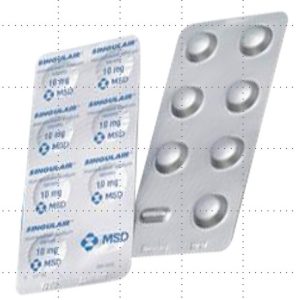
Montelukast (also known as Singulair) belongs to a group of medicines called leukotriene receptor antagonists and work by blocking substances called leukotrienes that cause narrowing and swelling of the airways and allergy symptoms. Blocking these leukotriene substances improves asthma symptoms and helps prevent asthma attacks. It is a type of anti-inflammatory medication that is used to treat and prevent asthma symptoms including:
- Day and night symptoms
- Exercise-induced asthma symptoms
- Seasonal and year-round allergies (also known as hay fever or allergic rhinitis), including runny nose, nasal congestion/itching and sneezing
Montelukast can be used as an add on to preventer inhaler therapy and in some cases, can be used as the only preventer anti-inflammatory medication.
Montelukast cannot be used as a reliever medication or in emergencies.
In New Zealand, Montelukast comes in tablet form – 4mg and 5mg (chewable) and 10mg (non-chewable tablet).
Like every medication, it is important to be aware of potential side effects. For information about Montelukast and side effects, click here.
Asthma New Zealand is here to support you and your whanau – if you would like to speak to one of our expert team for FREE, get in touch!
Book a free appointment here
Ph: 0800 227 328
Email: referrals@asthma.org.nz
Severe Asthma and Eosinophils
Sometimes, asthma symptoms can be so severe and interfere with a person’s day to day life despite your (and your health care teams) best efforts.
What are eosinophils and what role do they play in asthma and allergies?
Severe asthma is usually linked to high levels of eosinophils, a type of normal white blood cell used in our immune system. In some people, these cells overreact to harmless substances, leading to allergic inflammation. This causes a build up of eosinophils in the blood, lungs, and airways. When eosinophil levels are too high, they can irritate and damage the airways, making asthma symptoms worse and increase the risk of flare-ups.
A simple blood test (complete blood count) can check your eosinophil level. This helps your health care provider decide whether you may have severe eosinophilic asthma and/or whether you should see a specialist for further assessment.
If your doctor has sent you for a blood test to check your eosinophils, it is important to know that prednisone can lower the number of eosinophils and the result may therefore be inaccurate. It is best to chat with your doctor about whether you can have the blood test before starting your prednisone so you can get an accurate reading. Sometimes your health care provider might ask you to do a series of weekly or fortnightly blood tests to look at the pattern of your eosinophils.
In most people, eosinophils make up about 1-6% of white blood cells. The normal concentration of eosinophils is 0 – 0.5 x 10⁹/L.
Eosinophilia (High eosinophil count)
In developed countries, the most common causes of eosinophilia are allergic diseases such as asthma and hay fever.
Did you know…Severe asthma accounts for about 10% of all asthma cases. Maori are over-represented in these statistics.
People with severe asthma:
- Would have tried several different types of inhalers
- Worry about what their future looks like with asthma
- May have depression and anxiety
- Usually are on the highest dose of inhaled corticosteroid inhaler safest for them
- Have had multiple courses of oral steroids (OCS) or may be on long-term OCS treatment (such as Prednisone)
- Have had multiple severe and/or life-threatening asthma exacerbations
- Are usually under the care of a respiratory or paediatric specialist team
- May be considered for biological treatment
While severe asthma can be difficult to treat, it is still possible to manage it and have a good quality of life.
Being referred to a specialist for severe asthma
If you think you have severe asthma – ask your healthcare provider for a referral to a specialist team. The specialist team will review your referral and decide if it is important for you to see them. There can sometimes be a waitling list.
Treatment for Severe Asthma
Management of the underlying inflammation of the airways will remain the priority of severe asthma management. This will incliude:
- Continuing to use your preventer inhaler every day as prescribed
- Considering adding on other medications to your regime such as Montelukast
- Addressing and treating other conditions such as eczema and allergic rhinitis (hay fever)
- Treating other conditions or behaviours that may exacerbate or mimic asthma:
- Reflux
- other heart and lung issues
- obesity
- anxiety
- depression
- smoking/vaping
- vocal cord dysfunction
- Poor inhaler device technique
- obstructive sleep apnoea
- Biologics
- Long term oral steroid therapy
- Nebulisers
Biologics
Biologic medicines are a newer type of asthma treatment that can be prescribed by a specialist initially and then by your GP.
In NZ, several biologics are funded for eligible patients with severe asthma, including options that target eosinophilic asthma and allergic asthma. These medicines are usually given as a subcutaneous injection at regular intervals, either in clinic or at home depending on the medicine and your treatment plan.
Your respiratory specialist will work with you to decide which biologic, if any, is most suitable based on your symptoms, lung tests, flare-up history, blood results, and type of inflammation.
Biologic medicine is not disease modifying, meaning it wont cure your asthma, and it does not replace your preventer inhaler, but they can make asthma much easier to manage when standard treatments are not enough.
Your specialist and their team will want to administer this injection themselves initially in a hospital setting and observe you for any side effects. If you tolerate the biologic well, it can be self-injected at home.
Most biologic medicines have support systems in place for you which includes your respiratory doctor and a nurse specialist.
Important: Biologics cannot be used as a reliever medicine/reliever. They can take a number of weeks to start working. It is important you use your prescribed reliever/rescue inhaler for symptom relief and follow your action plan. In an emergency, call for an ambulance early.
Types of Biologics
Omalizumab | XOLAIR

Mepolizumab | NUCALA

Benralizumab | FASENRA

Asthma New Zealand is here to support you and your whanau – if you would like to speak to one of our expert team for FREE, get in touch!
Book a free appointment here
Ph: 0800 227 328
Email: referrals@asthma.org.nz
Sometimes, when asthma is severe or following an asthma attack, your doctor or nurse may prescribe you or your child a short course of oral steroids (such as prednisone, prednisolone, redi-pred). These medicines work by calming down the inflammation and swelling in the airways, helping you or your child to breathe more easily and recover from an asthma flare-up/attack.
Oral steroids are usually very effective for getting asthma back under control, but they are not a long-term solution. Regular use can cause unwanted side effects such as changes to growth, bone strength, and the immune system. Because of this, research suggests that the safe lifetime total should not exceed about 1 gram (roughly four standard courses).
Oral steroids, like any medication, can cause side effects. Common side effects include:
- Nausea (feeling sick)
- Vomiting
- Increased appetite
- Indigestion or heartburn
- Stomach bloating or irritation
- Diarrhoea or constipation
- Mood change
The goal is always to keep asthma so well controlled with daily preventer medicine that oral steroids are rarely, if ever, needed. If you or your child is needing oral steroids, it’s a sign their asthma management plan may need reviewing.
Asthma New Zealand is here to support you and your whanau – if you would like to speak to one of our expert team for FREE, get in touch!
Book a free appointment here
Ph: 0800 227 328
Email: referrals@asthma.org.nz
Atrovent is an emergency medication and it should not routinely be used by people with asthma.

This medication is usually given in hospital during an asthma attack but should not be used on discharge unless you have been given specific instructions by a doctor.
Even though Atrovent works similarly to other reliever inhalers (by relaxing the muscles around our airways), it should not be used in place of a reliever inhaler such as ventolin, salair, symbicort or duoresp spiromax.
Asthma New Zealand is here to support you and your whanau – if you would like to speak to one of our expert team for FREE, get in touch!
Book a free appointment here
Ph: 0800 227 328
Email: referrals@asthma.org.nz
Home Nebulisers

Nebulisers: Why they are no longer recommended for people with asthma
There was a time when nebulisers were seen as a mainstay asthma treatment at home. Many of us who grew up with asthma in the 80’s and 90’s will remember the familiarity and sense of safety that nebulisers gave us. But as asthma care has advanced, so too has our understanding of what works best, and today, research shows that nebulisers are no longer the safest or most effective option.
Spacers are just as effective…and safer
Studies consistently show that using a spacer with a metred-dose inhaler (MDI) works just as delivers medicine effectively. Spacers are simple, fast, and safe and they avoid the risks that come with nebuliser use.
Why home nebulisers are considered unsafe
While nebulisers used to feel reassuring, they should be only used in a hospital or urgent care setting during severe emergencies as they come with important drawbacks that people often don’t realise:
- Do not deliver oxygen, unlike the nebulisers used in hospitals
- Can delay urgent medical care if people rely on them during an attack
- Higher risk of incorrect use, including wrong doses or medication types
- Increased chance of side effects and adverse events due to larger medicine doses
- Relies on power
Because of these risks, nebulisers are no longer considered best practice for home asthma management.
When is a nebuliser needed?
In the rare situations where a nebuliser may be appropriate, it (and the medications that go with it) should be prescribed by a specialist with clear instructions however, for most people, using a spacer with your inhaler is the safest and most effective way to get fast relief. Spacers deliver medicine exactly where it’s needed in the lungs, without the risks that come with nebuliser use.
Asthma New Zealand is here to support you and your whanau – if you would like to speak to one of our expert team for FREE, get in touch!
Book a free appointment here
Ph: 0800 227 328
Email: referrals@asthma.org.nz
Alongside using your inhalers as prescribed, there are many everyday things you can do to help reduce asthma symptoms and stay well:
- Keep your home warm and dry – Damp and mould can trigger asthma. Aim for around 18–20°C indoors, use a dehumidifier or ventilation if needed, and fix leaks promptly
- Avoid smoking and vaping – Smoke and vape particles irritate the lungs and make asthma worse. Keep your home and car smokefree/vapefree
- Reduce allergens – Dust mites, mould, pollen, and pet dander can all trigger asthma. Vacuum regularly, wash bedding weekly in hot water, and reduce clutter where dust collects
- Maintain a healthy lifestyle – A balanced diet, staying active, and getting enough sleep all help strengthen your immune system and improve lung health
- Manage weight and fitness – Regular activity can improve lung capacity, and maintaining a healthy weight may reduce asthma symptoms
- Breathe through your nose – Nose breathing warms, filters, and moistens the air before it reaches your lungs, which can reduce irritation
- Identify and avoid triggers – Keep track of what makes your asthma worse (e.g., cold air, exercise, pollen, colds/flu), and work with your doctor to plan around them
- Keep up with vaccinations – Annual flu and COVID-19 vaccines reduce the risk of serious illness that can trigger asthma attacks
- Good hand hygiene – Washing hands regularly and avoiding close contact with people who are unwell can help reduce colds and flu, which often worsen asthma
- Stress management – Stress and anxiety can make asthma symptoms worse. Relaxation techniques, mindfulness, or gentle activities like yoga or tai chi can help
- Regular asthma check-ups – Even if you’re feeling well, a yearly review helps ensure your asthma is controlled and your action plan is up to date
- Breathing patterns – If you think you may have a breathing pattern disorder (I.e. you notice you regularly shallow breathe or hyperventilate), getting in touch with a breathing physio or specialist may help
Asthma New Zealand is here to support you and your whanau – if you would like to speak to one of our expert team for FREE, get in touch!
Book a free appointment here
Ph: 0800 227 328
Email: referrals@asthma.org.nz
What are the differences between preventer and reliever inhalers?
Types of Reliever inhalers can be found here
Types of Preventer Inhalers can be found here
How they work:
- Preventers:
- Reduces swelling (inflammation) and mucous inside the airways and keeps them healthy
- Mimics natural cortisol
- Prevents asthma flare-ups and triggers
- Significantly reduces the risk of attacks, hospitalisations and need for oral sterioids (such as prednisone)
- Protects lungs from long term damage (such as COPD) and airway remodelling
- Relievers:
- Quickly relaxes muscles around the airways, opening them up
- Only medication that should be used in an emergency
How fast they work and how long they last:
- Preventers:
- Slow (can take weeks to start to work)
- Full benefit in weeks to months
- Inflammation can take months to fully resolve/settle (you need to keep using them even if you think you are ‘better’, well or it isn’t working)
- Relievers:
- Fast (between 2-5 minutes)
- Full effect in 20 minutes
- Lasts 4-6 hours
When to Use:
- Preventers:
- Every day, even when you feel well
- Morning and night as prescribed (Breo once daily)
- Most important part of asthma management
- Relievers:
- When you have asthma symptoms
- In an emergency
- 15-20 minutes before physical activity if required
- When unwell with a respiratory illness (always follow your action plan adn talk to your doctor)
How to Use:
- Preventers:
- Use daily as prescribed (don’t skip)
- Keep somewhere visible so you remember (I.e. by your toothbrush, next to your bed)
- Keep reminders – put an alarm in your phone
- Relievers:
- Use as needed (should not be used routinely)
- Usually 1–2 puffs every 4–6 hours, as prescribed
- Follow your Asthma Action Plan in emergencies
- Always have a reliever inhaler on you so you are never without one in case of emergencies or symptoms
- Always rinse your mouth with water and gargle after using your preventer inhaler to prevent potential side effects
Side Effects:
- Preventers:
- Sore throat
- Hoarse voice
- Oral thrush
Top Tip: Always rinse your mouth with water and gargle after using your preventer inhaler to prevent potential side effects. If a child is using a mask wtih their spacer, ensure you wipe around their mouth with a wet cloth to avoid skin irritation from the ICS
- Relievers (side effects usually associated with over-use):
- Tremor
- Headache
- Fast heart beat / palpitations
Did you know: Overusing a reliever inhaler can cause damage? Our bodies can build up a reistance to the medicine overtime and this can cause the medication to not work as effectively as it should – this is very dangerous, especially in asthma emeregencies!
If you notice you are using more than 2-3x puffs of your reliever inhaler each week, or notice an increase in asthma symptoms, contact your health care team today for a review. Acting early can keep you well and out of hospital!
Asthma New Zealand is here to support you and your whanau – if you would like to speak to one of our expert team for FREE, get in touch!
Book a free appointment here
Ph: 0800 227 328
Email: referrals@asthma.org.nz